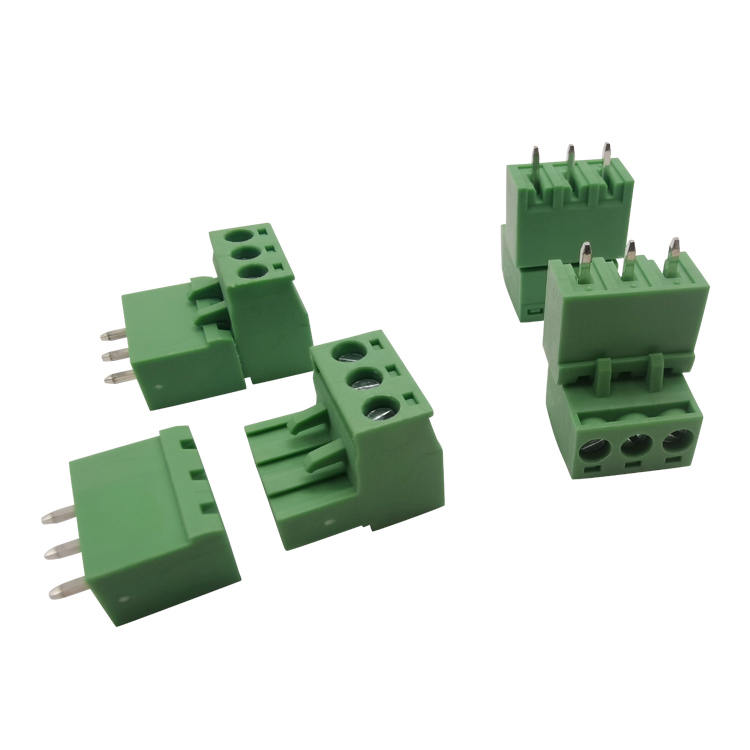
उचित उपयोग करना टर्मिनल ब्लॉकविद्युत प्रदर्शन में सुधार के लिए यह एक महत्वपूर्ण कदम है, जिसमें कनेक्शन विश्वसनीयता, सिग्नल अखंडता और विद्युत संचरण दक्षता जैसे पहलू शामिल हैं। चयन और अनुप्रयोग के लिए निम्नलिखित एक व्यवस्थित मार्गदर्शिका है: I. मुख्य विद्युत प्रदर्शन संकेतकों को स्पष्ट रूप से परिभाषित करेंसंपर्क प्रतिरोध: कम और स्थिर संपर्क प्रतिरोध से ऊष्मा का उत्पादन और ऊर्जा की हानि कम होती है।धारा वहन क्षमता: टर्मिनलों को निर्धारित धारा (तात्कालिक चरम मानों को ध्यान में रखते हुए) को सहन करना होगा।वोल्टेज में कमी और तापमान में वृद्धि: उत्कृष्ट डिजाइन वोल्टेज की हानि और गर्मी के संचय को कम करता है।इन्सुलेशन और परावैद्युत सामर्थ्य: रिसाव और खराबी को रोकता है (विशेषकर उच्च-वोल्टेज वातावरण में)।सिग्नल अखंडता: उच्च आवृत्ति वाले संकेतों को हस्तक्षेप से बचाने के लिए प्रतिबाधा मिलान और परिरक्षण की आवश्यकता होती है। यांत्रिक स्थिरता: कंपन और ढीलेपन के प्रति प्रतिरोध लंबे समय तक विश्वसनीय संपर्क सुनिश्चित करता है।II. टर्मिनलों के लिए प्रमुख चयन कारक1. सामग्री चयनचालक सामग्री:उच्च चालकता: ऑक्सीजन रहित तांबा और तांबे की मिश्र धातुएँ (जैसे पीतल और फॉस्फोर कांस्य) मुख्य विकल्प हैं।उच्च धारा/उच्च तापमान वाले वातावरण: चांदी की परत चढ़ाने या एल्यूमीनियम सामग्री (हल्के अनुप्रयोगों के लिए) पर विचार करें।इन्सुलेशन सामग्री:सामान्य उपयोग: पीवीसी, नायलॉन (कम लागत)।उच्च तापमान/ज्वलनशील पदार्थ: पीटीएफई (टेफ्लॉन), पीईआई, पीपीएस।प्लेटिंग उपचार:ऑक्सीकरण रोधी/बेहतर चालकता: चांदी की परत चढ़ाना (इष्टतम चालकता), सोने की परत चढ़ाना (जंग प्रतिरोधक, उच्च आवृत्तियों के लिए उपयुक्त), टिन की परत चढ़ाना (कम लागत, लेकिन "टिन व्हिस्कर्स" से सावधान रहें)।पर्यावरण अनुकूलता: नमक के छिड़काव वाले वातावरण में मोटी परत चढ़ाना या सोने/निकल की मिश्रित परत चढ़ाना आवश्यक होता है। 2. संरचनात्मक डिजाइनक्रिम्पिंग बनाम सोल्डरिंग:क्रिम्पिंग टर्मिनल: इसके लिए विशेष उपकरणों की आवश्यकता होती है, यह उच्च स्थिरता, अच्छी कंपन प्रतिरोधकता प्रदान करता है और बड़े पैमाने पर उत्पादित वायर हार्नेस के लिए उपयुक्त है।टर्मिनलों की सोल्डरिंग: मैन्युअल संचालन में कोल्ड सोल्डर जॉइंट्स की संभावना होती है; वेव सोल्डरिंग/रिफ्लो सोल्डरिंग की अनुशंसा की जाती है।संपर्क सतह डिजाइन:वायर स्प्रिंग संरचना (बहु-संपर्क): अतिरिक्त संपर्क, उत्कृष्ट कंपन प्रतिरोध।डबल हेलिकल स्प्रिंग संरचना: उच्च प्रतिधारण बल, उच्च कंपन वाले वातावरण (जैसे कि एयरोस्पेस) में उपयोग किया जाता है।लॉकिंग तंत्र: स्नैप-फिट और थ्रेडेड लॉकिंग (जैसे, MIL-DTL-38999 मिलिट्री-ग्रेड कनेक्टर) ढीले होने से रोकते हैं। 3. केबल के साथ मिलान करनाअनुप्रस्थ काट क्षेत्रफल का मिलान: टर्मिनल की विशिष्टताएँ तार की मोटाई (जैसे, AWG मानक) से बिल्कुल मेल खानी चाहिए।क्रिम्पिंग की गुणवत्ता: अत्यधिक क्रिम्पिंग (धातु का टूटना) या कम क्रिम्पिंग (अपर्याप्त तन्यता शक्ति) से बचने के लिए पेशेवर क्रिम्पिंग उपकरणों का उपयोग करें। इन्सुलेशन सपोर्ट: इन्सुलेशन स्लीव वाले टर्मिनल तनाव से होने वाली दरारों को रोक सकते हैं।
 हिंदी
हिंदी English
 Deutsch
 Español
 عربي
عربي हिंदी
हिंदी

 संपर्क करें



 IPv6 नेटवर्क समर्थित